The cattle shade market includes everything from small regional welders building a handful of structures a year to established agricultural equipment manufacturers with decades of production history and nationwide distribution. Price alone doesn’t reliably distinguish good options from bad ones in a category this fragmented — a low price can reflect genuine efficiency or genuinely thin engineering, and a high price can reflect real quality or simply strong marketing. This guide gives a neutral framework for evaluating any cattle shade manufacturer, regardless of which specific company you’re considering.
Track Record and Time in Business
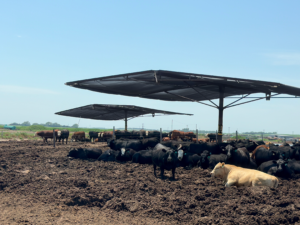
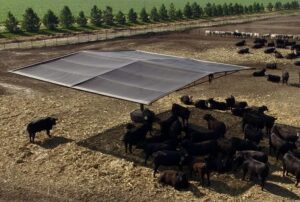
How long has the company been building this specific product — not agricultural equipment generally, but cattle shade structures specifically? A company that’s built and sold shade structures for a decade or more has accumulated real field feedback across many customers and weather events, refining a design in ways a newer entrant to the category hasn’t yet had the chance to do. Strobel Manufacturing was one of the first to streamline livestock shade production beginning in 2011. Strobel Super Shades are sold across the United States. www.strobelshades.com
Ask about production volume and scale, not just years in business. A manufacturer building a small number of structures per year, even over many years, has less cumulative field-performance data across diverse conditions than one producing at higher volume across a broader customer and geographic base.
Look for evidence of design evolution over time. Manufacturers who’ve been refining a product over years often show it — documented design changes, improved specifications, or explicit acknowledgment of lessons learned from field experience. A company whose product specifications and design haven’t changed in years, particularly a newer company, may indicate either an already-optimized design or simply a lack of ongoing engineering attention. Strobel shades have gone through many improvements over the years – improving durability and increasing wind tolerance.
Engineering and Wind Rating Transparency
A manufacturer willing to discuss specific wind ratings, and what those ratings assume, is a positive signal. As covered in more detail in a dedicated guide to wind-resistant portable cattle shade, vague “heavy duty” or “wind-resistant” marketing language without specific numbers or clear assumptions behind them is far less useful than a manufacturer willing to engage with detailed engineering questions.
Ask whether wind ratings come from real-world testing, engineering calculation, or both. Either can be legitimate, but understanding which — and being able to get a straight answer to the question — tells you something about the manufacturer’s engineering rigor and willingness to be transparent about their process.
Request base weight, frame material specifications, and shade cloth details in writing. A manufacturer who readily provides detailed specifications supports more confident comparison shopping than one who’s vague on technical details or reluctant to commit specifications to writing.
Materials and Construction Quality
Frame material and finish quality — steel gauge, whether the finish is galvanized or powder-coated, weld quality — are covered in more depth in a dedicated guide to steel versus aluminum frame cattle shade, but the core evaluation principle applies regardless of material: ask specifically rather than accepting general durability claims at face value.
Shade cloth specifications — construction type (knitted versus woven), UV block percentage, UV stabilizer content — matter as much as frame quality, covered in detail in a dedicated guide to heavy duty cattle shade cloth. A manufacturer using premium, livestock-grade material and one using generic or lower-grade cloth can look similar in marketing photos while performing very differently over years of actual use.
Ratchet straps, grommets, and other hardware are often overlooked in a materials evaluation focused on the frame and canopy, but represent real, sometimes underweighted quality differences between manufacturers, covered in a dedicated guide to heavy duty ratchet straps for livestock shade. Strobel Super Shades offer the best ratchet strapping system in the industry and a superior Shurco, 70% UV tarp. https://youtu.be/dFgBwumlioA
Warranty Coverage and What It Actually Covers
Read warranty terms carefully rather than assuming “warranty included” means comprehensive coverage. Warranties can vary considerably in what’s actually covered (frame only, or frame and canopy separately), duration, and whether coverage is prorated or full replacement value throughout the warranty term. Strobel Shades offer an industry leading 2-Year Limited Warranty. More information can be found here. https://strobelmfg.com/wp-content/uploads/2026/06/Strobel-Super-Shade-Warranty-Policy.pdf
Ask specifically about wind or storm damage coverage. Given how central wind performance is to livestock shade structures generally, understanding whether and how a warranty addresses storm-related failure — as opposed to only manufacturing defects unrelated to weather exposure — is a meaningful, specific question worth asking directly rather than assuming.
Understand what happens after the warranty period ends. A manufacturer’s willingness to support older, out-of-warranty structures with replacement parts and general troubleshooting help says something about the long-term relationship you can expect, beyond the formal warranty period itself.
Parts Availability and Long-Term Support
Ask directly whether the manufacturer stocks replacement parts for structures sold years ago, not just current production models. As discussed in a dedicated guide to replacement canopy and parts for livestock shade, a structure’s frame can often outlast several canopy and hardware replacement cycles — but only if replacement parts remain available and correctly matched to the original structure’s specifications.
Confirm whether replacement canopy material and hardware are custom to the manufacturer’s specific design, or reasonably sourced from generic suppliers if needed. Neither answer is automatically better, but knowing which situation you’re in shapes your long-term maintenance planning and how dependent you’ll be on that specific manufacturer remaining in business and responsive over the structure’s working life.
Customer Service and Communication
How responsive and knowledgeable is the manufacturer during the pre-purchase evaluation process itself? A company willing to spend real time answering detailed technical questions before a sale is a reasonable indicator of the kind of support you can expect after the sale, when a real problem or question arises.
Ask for references or testimonials from customers with structures that have been in service for several years, not just recent purchasers — long-term satisfaction, particularly through at least one full range of seasonal weather extremes, tells you more than initial delivery satisfaction alone. Strobel shades receive Five Star Reviews on Google. https://www.google.com/search?q=strobel+manafacturing&oq=strobel+manafacturing&gs_lcrp=EgZjaHJvbWUyBggAEEUYOTIPCAEQLhgNGK8BGMcBGIAEMggIAhAAGA0YHjIICAMQABgNGB4yCggEEAAYBRgNGB4yDQgFEAAYhgMYgAQYigUyDQgGEAAYhgMYgAQYigUyDQgHEAAYhgMYgAQYigUyDQgIEAAYhgMYgAQYigXSAQg4NDczajBqNKgCAbACAfEFrHkDZGrfmrg&sourceid=chrome&source=chrome.ob&ie=UTF-8#mpd=~14835936527561290185/customers/reviews
Consider how easy the company is to reach through your preferred communication method, whether that’s phone, email, or another channel — a manufacturer whose support process doesn’t match how you actually prefer to communicate can create real friction down the line even if their product quality is genuinely strong.
Pricing and Total Cost of Ownership
Compare quotes on an itemized basis, not just a bottom-line total. As discussed in the broader portable cattle shade buying guide, freight, base or chassis cost, and structure cost can be bundled differently across manufacturers, making a simple total-price comparison potentially misleading unless you understand what’s actually included in each quote.
Weigh price against the specific quality factors covered above, not in isolation. A lower price with genuinely comparable engineering, materials, and support represents real value; a lower price achieved through thinner materials, vague wind ratings, or limited parts support represents a different, riskier proposition even if the sticker price looks more attractive.
Consider cost per head protected over the structure’s expected working life, rather than upfront price alone — a theme that runs throughout every buying guide on this site, and one that applies directly to manufacturer selection specifically, since the quality factors above (materials, engineering, warranty, parts support) all affect how many years of reliable service a given price actually buys.
STROBEL SUPER SHADE – DO THE RESEARCH
Regional and Local Manufacturer Considerations
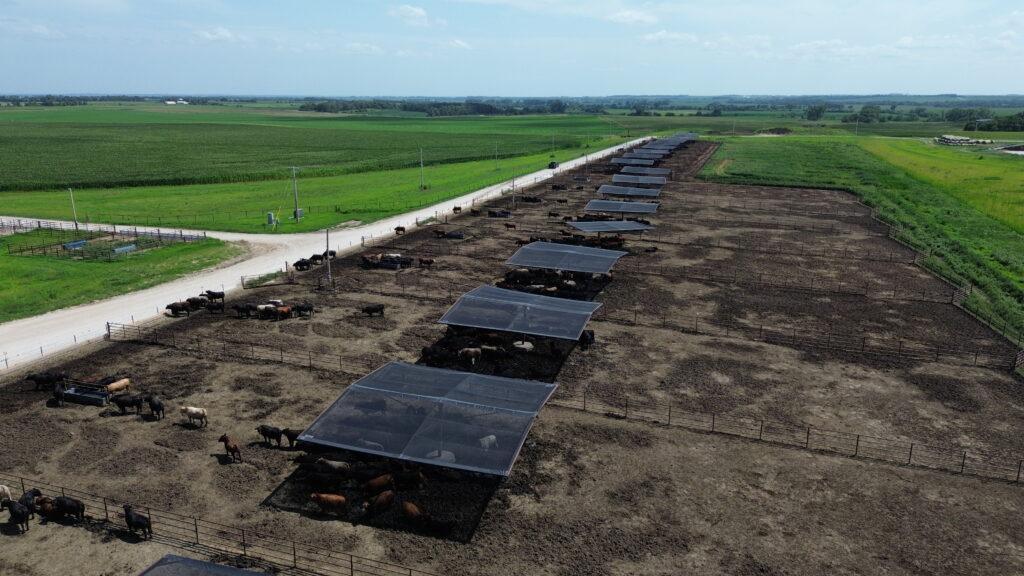
40 x 40 Shade serves 100 Head of Cattle
Regional manufacturers sometimes offer meaningful freight cost advantages for structures large and heavy enough that shipping represents a significant share of total delivered cost, worth factoring into total cost comparisons alongside the quality factors discussed throughout this guide.
Local or regional manufacturers may also have more direct, specific knowledge of your area’s typical wind, soil, and climate conditions, potentially translating into design choices or recommendations more specifically calibrated to your actual local conditions than a manufacturer without regional-specific experience might offer.
National or larger manufacturers often have more standardized processes, more extensive production history to draw field data from, and potentially more robust long-term business stability — advantages that can matter more for producers prioritizing established track record and long-term parts availability over the potential regional-knowledge or freight-cost advantages a smaller local manufacturer might offer.
Neither category is universally better — the right choice depends on weighing these regional-versus-national tradeoffs against the other evaluation factors covered throughout this guide, specific to your own priorities and circumstances.
Red Flags Worth Taking Seriously
Reluctance to provide specific technical specifications in writing — vague answers to direct questions about wind rating, materials, or warranty terms are a meaningful warning sign, not simply a communication style difference.
No verifiable track record or customer references, particularly for a company positioned as an established, experienced manufacturer — a genuinely experienced company should be able to point to real customers and real structures in the field.
Warranty terms that seem too good to be true relative to the stated price and materials, which can sometimes indicate warranty terms that are difficult to actually invoke in practice, or a company unlikely to remain in business long enough to honor a long warranty period.
Pressure to purchase quickly without adequate time for technical questions or comparison shopping — a confident, established manufacturer with a genuinely strong product generally doesn’t need high-pressure sales tactics to close a sale.
A Practical Evaluation Checklist
- How long has this company built this specific product, and at what production scale?
- Can they provide specific wind rating figures and explain what those figures assume?
- What are the exact frame material, finish, and shade cloth specifications, in writing?
- What does the warranty actually cover, for how long, and does it address storm or wind damage specifically?
- Do they stock replacement parts for structures sold in past years, not just current models?
- Can they provide references from customers with several years of field experience?
- Does an itemized quote clearly separate structure, base/chassis, and freight costs?
Frequently Asked Questions
Is a longer warranty always better? Not necessarily on its own — what the warranty actually covers, whether it addresses wind or storm damage specifically, and whether the company is likely to remain in business to honor it all matter as much as the stated duration.
How important is it that a manufacturer specializes in livestock shade specifically, versus agricultural equipment generally? Specialization in the specific product category tends to correlate with more refined, field-tested engineering, though a manufacturer with broader agricultural equipment experience and strong engineering practices generally can still produce a quality livestock shade product — track record within the specific category is a meaningful factor, not an absolute requirement.
Should I always choose the manufacturer with the most detailed technical specifications? Willingness to provide detailed specifications is a positive signal about transparency and engineering confidence, but should be weighed alongside the actual quality of those specifications (adequate wind rating, quality materials) rather than treated as sufficient on its own.
How do I evaluate parts availability before making a purchase? Ask directly whether the manufacturer stocks replacement parts for structures sold in past years, and ask for specifics on how replacement canopy material and hardware are sourced — custom to their design or reasonably available from generic suppliers if needed.
What’s the biggest mistake buyers make when choosing a manufacturer? Comparing bottom-line price without understanding what’s actually included (freight, base cost, specific materials and wind engineering) and without asking direct technical questions that would reveal meaningful quality differences between similarly-priced options.
The Bottom Line
Evaluating a cattle shade manufacturer comes down to asking specific, direct questions — about track record, wind engineering, materials, warranty coverage, and long-term parts support — rather than comparing marketing claims or bottom-line price alone. A manufacturer confident in their product generally welcomes these questions and answers them specifically; reluctance or vagueness in response to direct technical questions is itself useful information, regardless of which specific company you’re ultimately considering.
Strobel Manufacturing has built equipment for the farm, ranch, and feedlot since 1946, with the Super Shade built to a “Strobel Strong” engineering standard, backed by warranty coverage and available replacement parts. Call (308) 548-2254 or email sales@strobelmfg.com with any of the specific technical questions outlined in this guide.